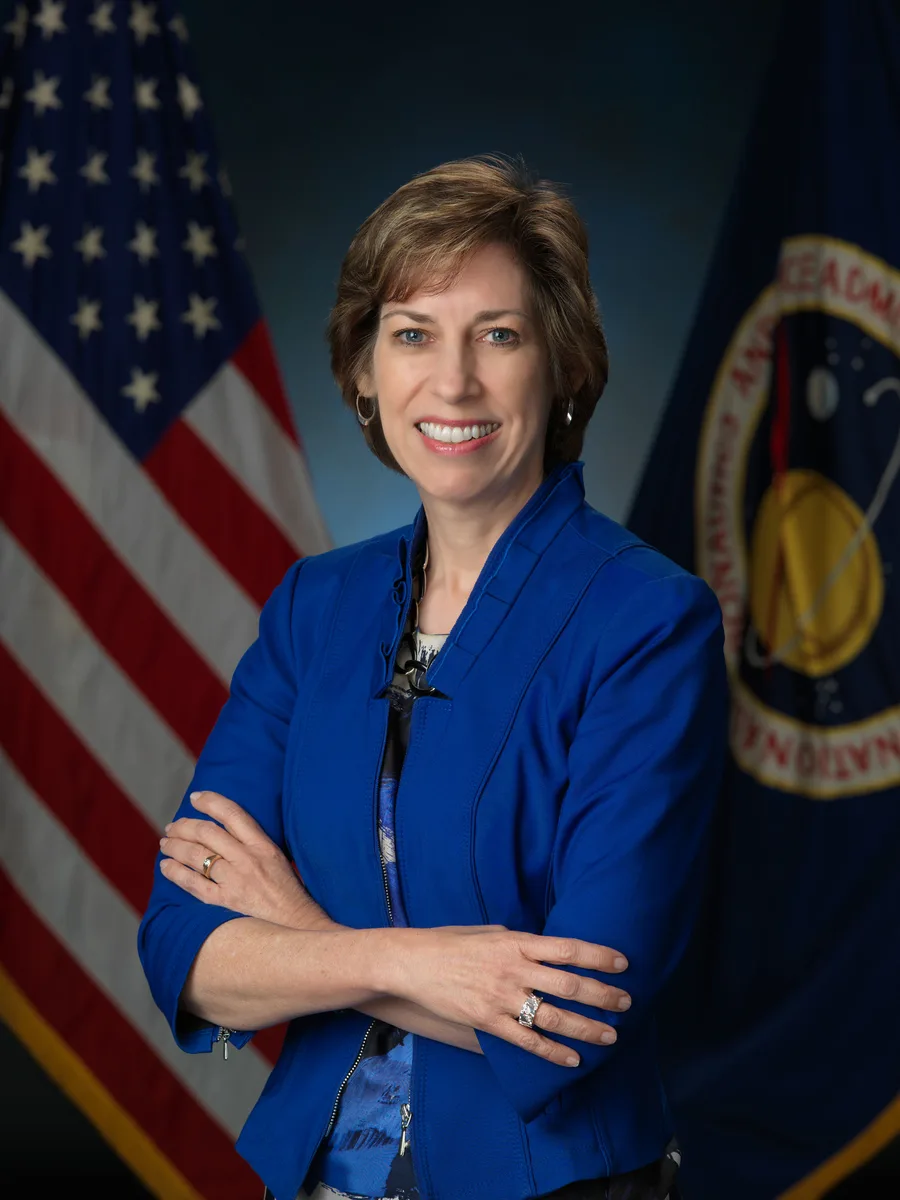
Ellen Ochoa
An engineer, inventor, astronaut, and NASA leader who became the first Hispanic woman in space and later directed Johnson Space Center.
Ellen Ochoa is an electrical engineer, inventor, astronaut, and former director of NASA’s Johnson Space Center. She is widely known as the first Hispanic woman to go to space.
Early path
Ochoa studied physics and electrical engineering, later earning graduate degrees at Stanford University. Her path shows that a STEM career can combine research, invention, exploration, and leadership.
Her story is relevant because representation in space science has often been narrow. Seeing a Latina engineer become an astronaut and institutional leader expands the image of who belongs in aerospace.
Turning point
Before becoming an astronaut, Ochoa worked on optical systems and held patents connected to information processing. This technical background became part of her later work in spaceflight.
In 1993, she flew on the Space Shuttle Discovery, becoming the first Hispanic woman in space. This was both a personal achievement and a public symbol for many students who had rarely seen themselves represented in astronautics.
Work and impact
Ochoa completed multiple spaceflights and later became director of Johnson Space Center. Her career connects technical depth with organizational leadership, showing that engineers can grow into roles where they shape entire institutions.
Her story is useful for students because it shows that STEM careers are not limited to one kind of work. Research, operations, invention, teamwork, and leadership can all be part of one path.
What readers should take away
Ellen Ochoa’s path shows that representation matters not only at the entry point, but also at the highest levels of leadership.
For students, her story suggests that a technical degree can open many doors. You can begin with engineering questions and later contribute as an explorer, inventor, manager, mentor, or public role model.