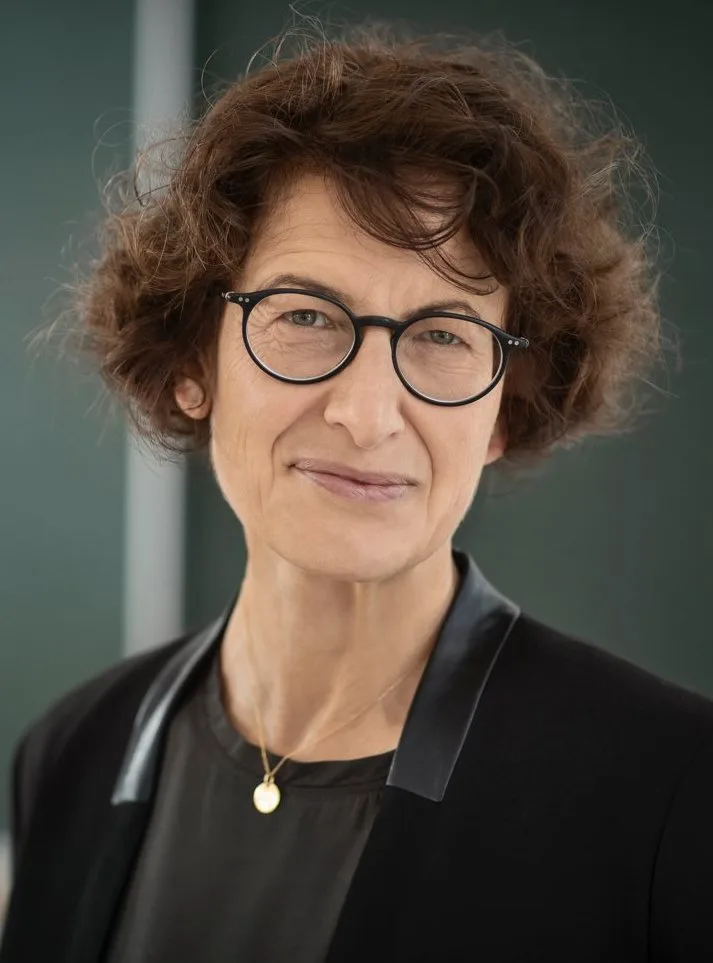
Özlem Türeci
A German physician-scientist and BioNTech co-founder whose work connects cancer immunotherapy, mRNA technology, entrepreneurship, and migration background.
Özlem Türeci is a physician-scientist, immunologist, entrepreneur, and co-founder of BioNTech. Her work connects cancer immunotherapy, mRNA technology, translational medicine, and biotechnology entrepreneurship.
Her story is broader STEM rather than classic IT, but it fits the project through the theme of technology-driven science. Modern biotechnology depends on data, platforms, interdisciplinary teams, and the translation of research into real-world tools.
Early path
Türeci grew up in Germany in a family with Turkish migration history. She studied medicine and developed a strong research focus on immunology and cancer therapies.
Her path shows how scientific careers can combine clinical questions with laboratory research. Instead of separating medicine and technology, her work connects them.
From research to biotechnology
Türeci co-founded Ganymed Pharmaceuticals and later BioNTech. These companies focused on translating immunological research into therapies, especially cancer immunotherapy and mRNA-based technologies.
The BioNTech story became globally visible during the COVID-19 pandemic, but the underlying work was built on many years of research into mRNA platforms and personalized medicine.
Interdisciplinary impact
Türeci’s career shows that STEM impact often happens between fields. Medicine, molecular biology, immunology, data-driven research, clinical development, manufacturing, and regulation all have to work together for a therapy to reach people.
This is useful for students because it challenges the idea that technology careers only happen inside software companies. Technical and scientific innovation also happens in biotech, health, and research-driven entrepreneurship.
What readers should take away
Özlem Türeci’s story shows that scientific careers can move from curiosity to research, from research to startups, and from startups to global public health impact.
For students, her path is a reminder that STEM is not limited to one discipline. People with interests in biology, medicine, data, ethics, and entrepreneurship can all contribute to technologies that change lives.