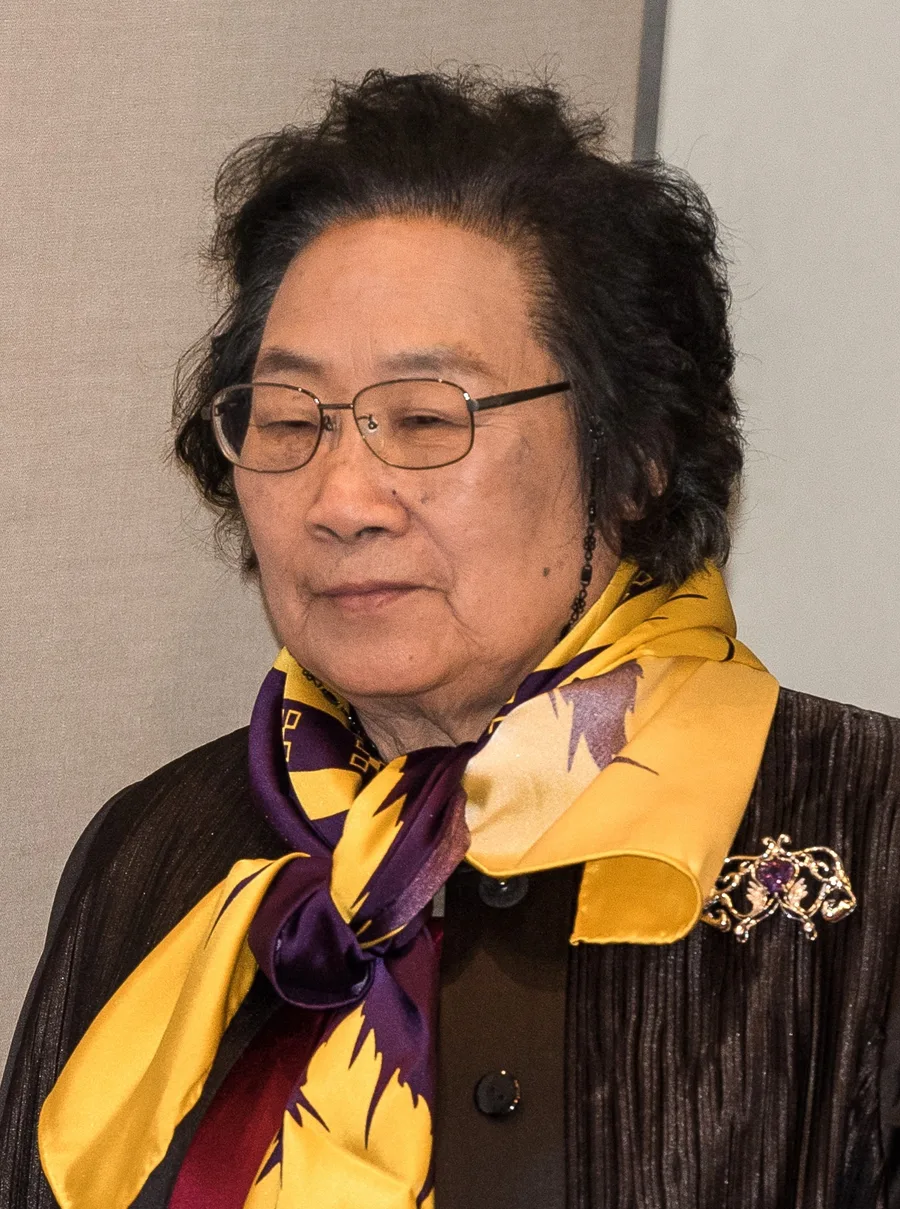
Tu Youyou
A Chinese scientist whose work on artemisinin led to a major malaria treatment and made her the first Chinese woman to receive a Nobel Prize in Physiology or Medicine.
Early path
Tu Youyou worked in pharmaceutical research and became part of a search for new malaria treatments. Her path is a reminder that STEM careers can be deeply connected to public health and social need.
Discovery and global impact
Tu’s work led to artemisinin-based malaria treatment, which became a major contribution to global medicine. Her research connected laboratory science, traditional medical knowledge, and modern drug development.
Barriers and recognition
Tu’s story is different from many Western-centered STEM narratives. She did not follow the most internationally visible academic path, yet her work had enormous impact. Her recognition also shows the importance of looking beyond familiar institutions when telling the history of science.
What readers should take away
Tu Youyou’s story shows that innovation can come from many research cultures and many kinds of knowledge. STEM is global, and important discoveries are not limited to the places that are most often represented in textbooks.